The Historical Significance of Beijing
Beijing, the capital of China, has an intricate and storied history that spans over three millennia. Its origins can be traced back to the early villages in the Bronze Age, which later evolved into a significant settlement during the Western Zhou dynasty. By the time of the Yan state in the Warring States period, Beijing had begun establishing itself as a center of politics and culture. However, it was not until the Mongolian Yuan dynasty that Beijing rose to prominence as the national capital, a status solidified by subsequent dynasties.
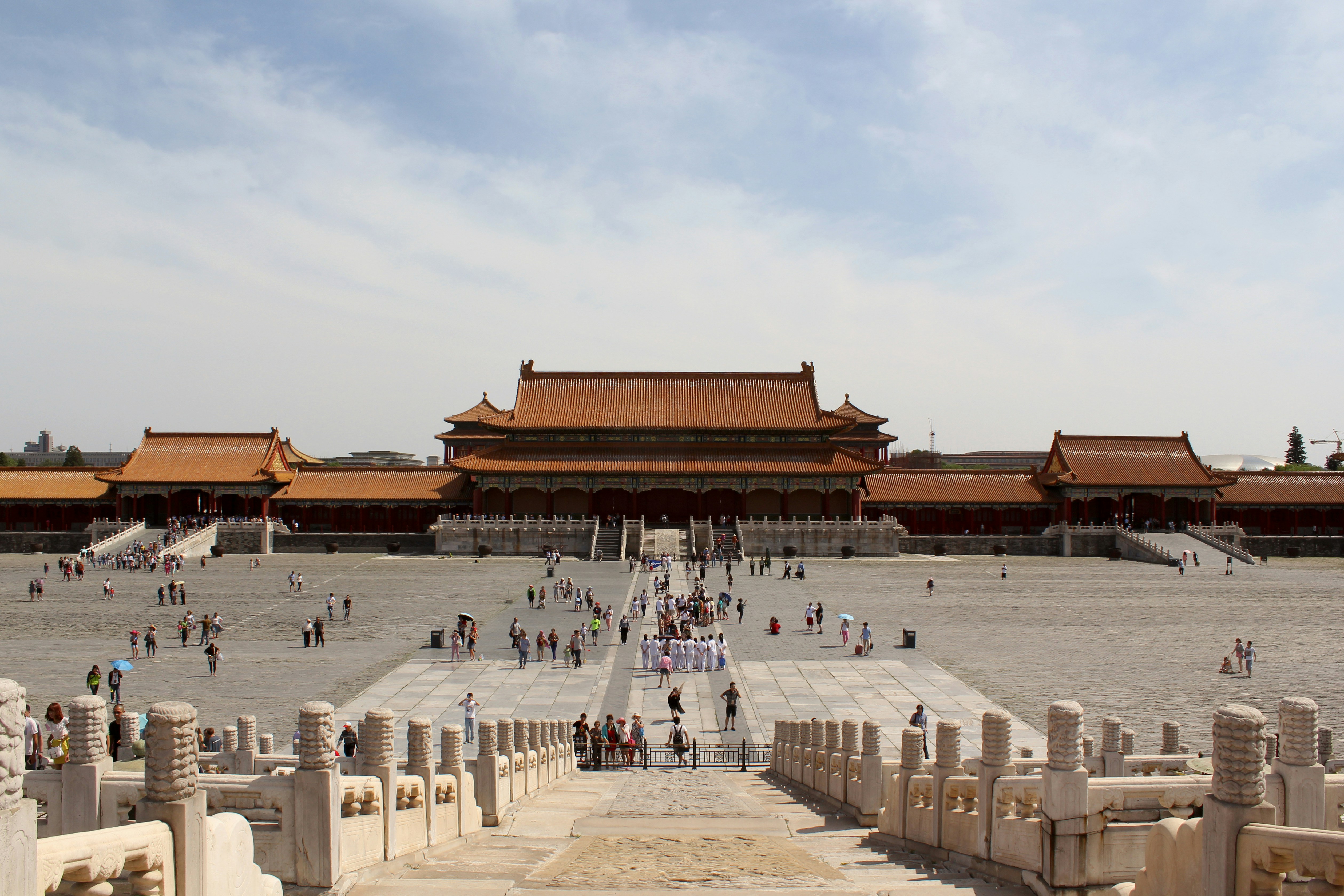
During the Ming dynasty, Beijing became the imperial capital, leading to substantial transformation and urban development. The construction of iconic structures such as the Forbidden City and Tiananmen Square marked this era. The Forbidden City, with its intricate designs and cultural significance, served not only as the residence of emperors but also as the ceremonial center of Chinese governance. The Ming dynasty’s architectural innovations laid the framework that would influence the city’s cultural landscape for centuries to come.
Following the Ming, the Qing dynasty further asserted Beijing’s significance, establishing it as the heart of the empire. This period was marked by extensive cultural development, international trade, and the expansion of Beijingers’ societal roles. The city’s historical landmarks, such as the Temple of Heaven and the Summer Palace, were constructed during this era, reflecting the dynasties’ reverence for spirituality and nature.
Beyond its architectural heritage, Beijing emerged as a hub during crucial moments in Chinese history, including the Opium Wars and the Boxer Rebellion, shaping its modern identity. Today, the blend of ancient history and contemporary advancements is evident in Beijing’s vibrant atmosphere, making it a fascinating area for exploration.
An Overview of the Great Wall of China
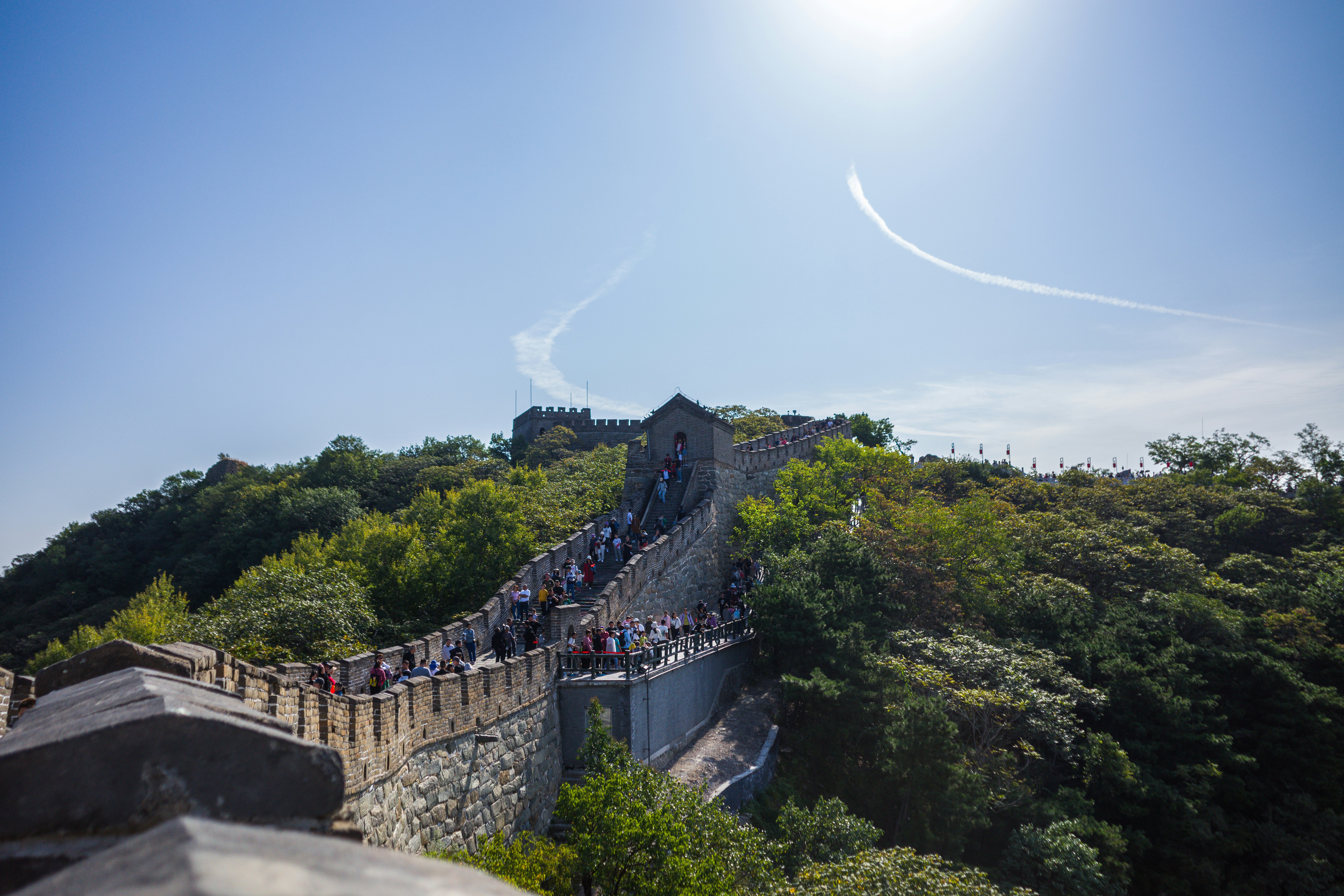
The Great Wall of China stands as one of the most monumental architectural feats in human history, stretching over 13,000 miles across northern China. The sections near Beijing are particularly well-preserved and attract millions of visitors each year. Originally constructed for defensive purposes, the wall served as a barrier against invasions from northern tribes, particularly during the feudal conflicts that characterized China’s early history.
Construction of the Great Wall began as early as the 7th century BC, but it was during the Ming Dynasty (1368-1644) that the structure reached its most substantial form. Architectural techniques varied significantly throughout different dynasties, with the Ming period being noted for its utilization of bricks and stone rather than the earlier rammed earth methods. This transition not only fortified the wall but also contributed to its durability, enabling it to stand the test of time.
The symbolic significance of the Great Wall transcends its physical structure; it is emblematic of the endurance and resolve of the Chinese people. The wall has also evolved into a symbol of national pride, serving as a representation of unity and strength. As a UNESCO World Heritage Site, the Great Wall attracts not only historians and architects but also those interested in the rich tapestry of Chinese culture. The ongoing preservation efforts highlight the importance of maintaining this historical landmark for future generations.
Encompassing various styles and designs reflective of different dynasties, the Great Wall of China remains a key focal point for understanding the country’s history, showcasing the engineering prowess and cultural significance embedded in its design. Each visit offers insights into the complexities of its construction and the intent behind its expansive reach across the landscape.
Exploring Qianshan (Shadow Mountain): A Hidden Gem in Shunyi
Qianshan, often referred to as Shadow Mountain, is a captivating natural wonder situated in the Shunyi district of Beijing. This stunning mountain range encompasses lush greenery, rolling hills, and scenic vistas, making it an ideal refuge from the fast-paced urban environment of the city. Known for its tranquil ambiance, Qianshan presents a myriad of recreational opportunities for nature enthusiasts and casual visitors alike.
The geographic features of Qianshan are diverse, with elevations that provide striking panoramic views of the surrounding landscape. The area is characterized by its captivating terrain, which includes rocky outcrops, serene lakes, and verdant forests. As a part of the larger Beijing region, the natural beauty of Qianshan is complemented by a variety of local flora and fauna. Birdwatchers and wildlife photographers will find ample opportunities to observe native species in their natural habitat.
For those seeking adventure, hiking trails abound within the vicinity of Qianshan. These trails vary in difficulty, accommodating both seasoned hikers and beginners. The well-marked paths guide visitors through naturally stunning vistas, making for an invigorating outdoor experience. Moreover, the mountain’s lower elevations are excellent for leisurely strolls, suitable for families and visitors looking for a peaceful escape.
Culturally, Qianshan holds significance as a site of historical and spiritual importance. Visitors may notice remnants of ancient temples and shrines dotting the landscape, providing insight into the area’s rich heritage. To make the most of your visit to this hidden gem, it is recommended to plan a trip during the early hours or late afternoon, when the light beautifully enhances the natural scenery. Additionally, consider packing a picnic to enjoy at one of the scenic overlooks, allowing for a perfect blend of adventure and relaxation amidst the tranquility of Qianshan.
Planning Your Tour: Tips for Visiting Beijing, the Great Wall, and Qianshan
When planning a tour to Beijing, the Great Wall, and Qianshan, it is important to consider the best times to visit. Typically, the spring (April to June) and autumn (September to October) months provide moderate temperatures and beautiful scenery, ideal for sightseeing. During these periods, the weather is pleasant, making your exploration more enjoyable. Conversely, the summer months can be hot and crowded, while the winter can be quite cold, which may affect your plans.
Transportation is crucial for a smooth experience. Beijing has an extensive public transportation network, including subways and buses, which makes it easy to navigate the city. For visits to the Great Wall and Qianshan, consider taking a guided tour or public buses that frequently run to major sections of the Great Wall, such as Badaling or Mutianyu. These options will not only simplify travel but also enhance your understanding of the sites through knowledgeable guides.
Ticketing for the Great Wall varies based on the section you choose to visit. It is advisable to book your tickets in advance, especially during peak tourist seasons, to avoid long queues. Additionally, check the operational hours of each section, as they may differ.
A suggested itinerary might include spending the first day exploring central Beijing, including the Forbidden City and Tiananmen Square. Dedicate the second day to hiking a section of the Great Wall, followed by a visit to Qianshan to enjoy the scenic views and rich culture. Don’t forget to pack essentials such as comfortable footwear, sunscreen, and water to stay hydrated.
While in Beijing, indulge in local cuisine, such as Peking duck and jianbing—a traditional Chinese crepe. Lastly, observing cultural etiquette, like respecting local customs and trying to communicate in basic Mandarin, can greatly enhance your travel experience.