An Introduction to Beijing: The Heart of Modern China
Beijing, the capital of the People’s Republic of China, stands at the nexus of historical significance and modern development, embodying the essence of a vibrant metropolis that has continually evolved over centuries. Known for its rich cultural heritage and bustling urban life, Beijing serves as a window into both the ancient traditions and contemporary advancements of Chinese society.
Tracing its roots back to the Yuan Dynasty, Beijing has transformed from its early days as an imperial capital into a global city. This historical evolution is intricately woven into the fabric of its modern skyline, where centuries-old structures such as the Forbidden City and the Temple of Heaven coexist alongside sleek skyscrapers and bustling shopping malls. This blend of the old and new not only draws tourists but also reflects the dynamic nature of Chinese culture.
Geographically, Beijing is located in the northern part of the country, surrounded by mountains that provide a picturesque backdrop to the city. This strategic position has historically made it a critical political, cultural, and economic center. The city’s population, which exceeds 21 million, further emphasizes its status as a significant urban area, attracting individuals from diverse backgrounds and regions, contributing to a rich tapestry of culture and innovation.
The city’s role as the political heart of China is underscored by its hosting of key government institutions and foreign embassies. Moreover, it is a focal point for international business and trade, enhancing its importance on the global stage. Hence, whether one is an avid history enthusiast or a curious traveler, Beijing offers a captivating exploration of one of the world’s most important cities.
Exploring the Ancient Wonders: The Great Wall and Forbidden City
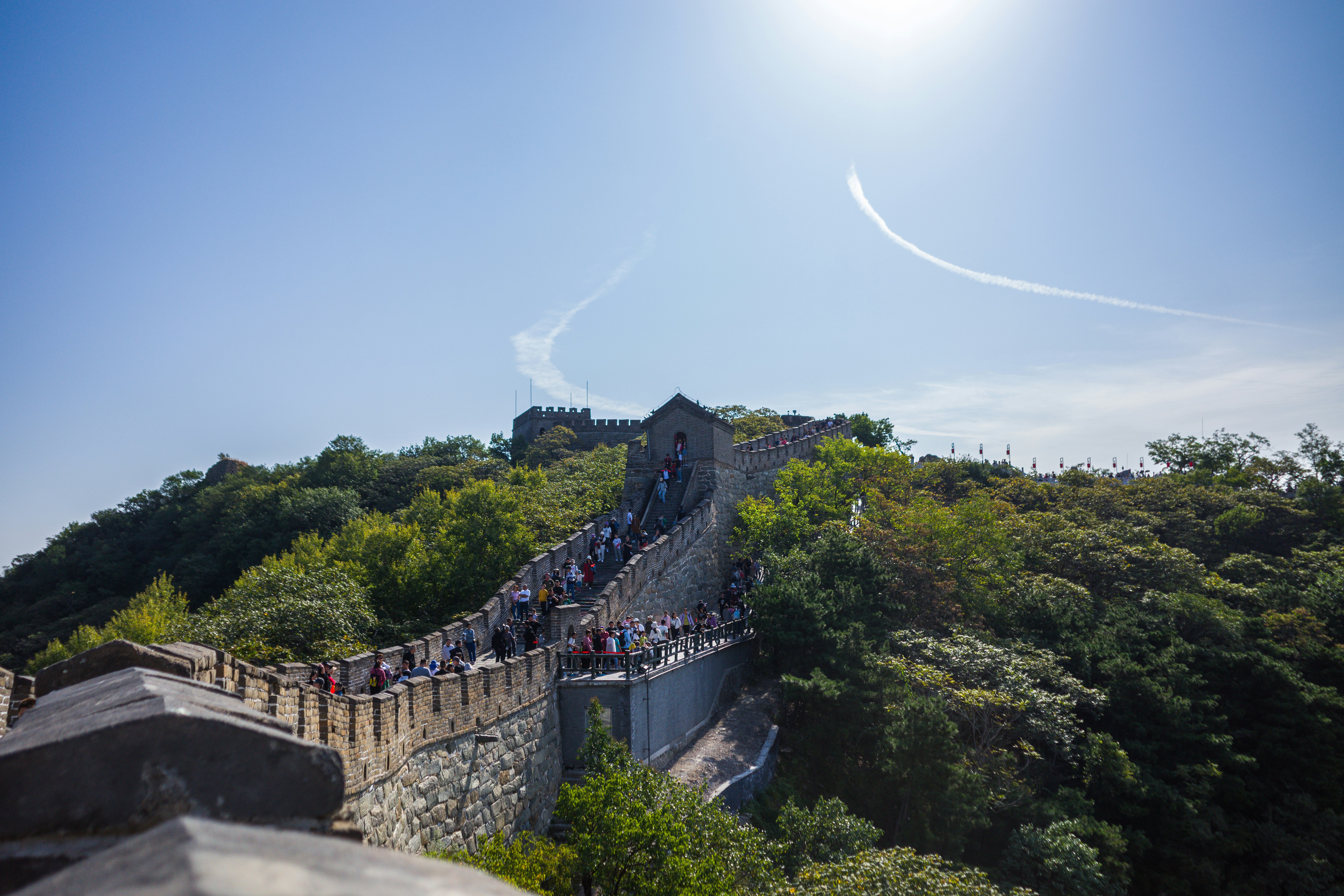
The Great Wall of China and the Forbidden City are two of Beijing’s most iconic landmarks, each steeped in historical significance and cultural heritage. The Great Wall, often regarded as one of the most impressive engineering feats in history, stretches across northern China and offers a vivid testament to the region’s ancient civilization. Constructed primarily during the Ming Dynasty (1368-1644), this colossal structure was built to protect Chinese states from invasions, showcasing remarkable architecture and ingenuity in construction techniques. The wall’s diverse sections comprise rugged mountains, steep cliffs, and open plains, illustrating the varied topography of the Chinese landscape. Visitors can explore sections such as Badaling, which is the most popular and accessible, as well as the less crowded Jinshanling and Mutianyu, each presenting breathtaking views and a glimpse into the wall’s storied past.
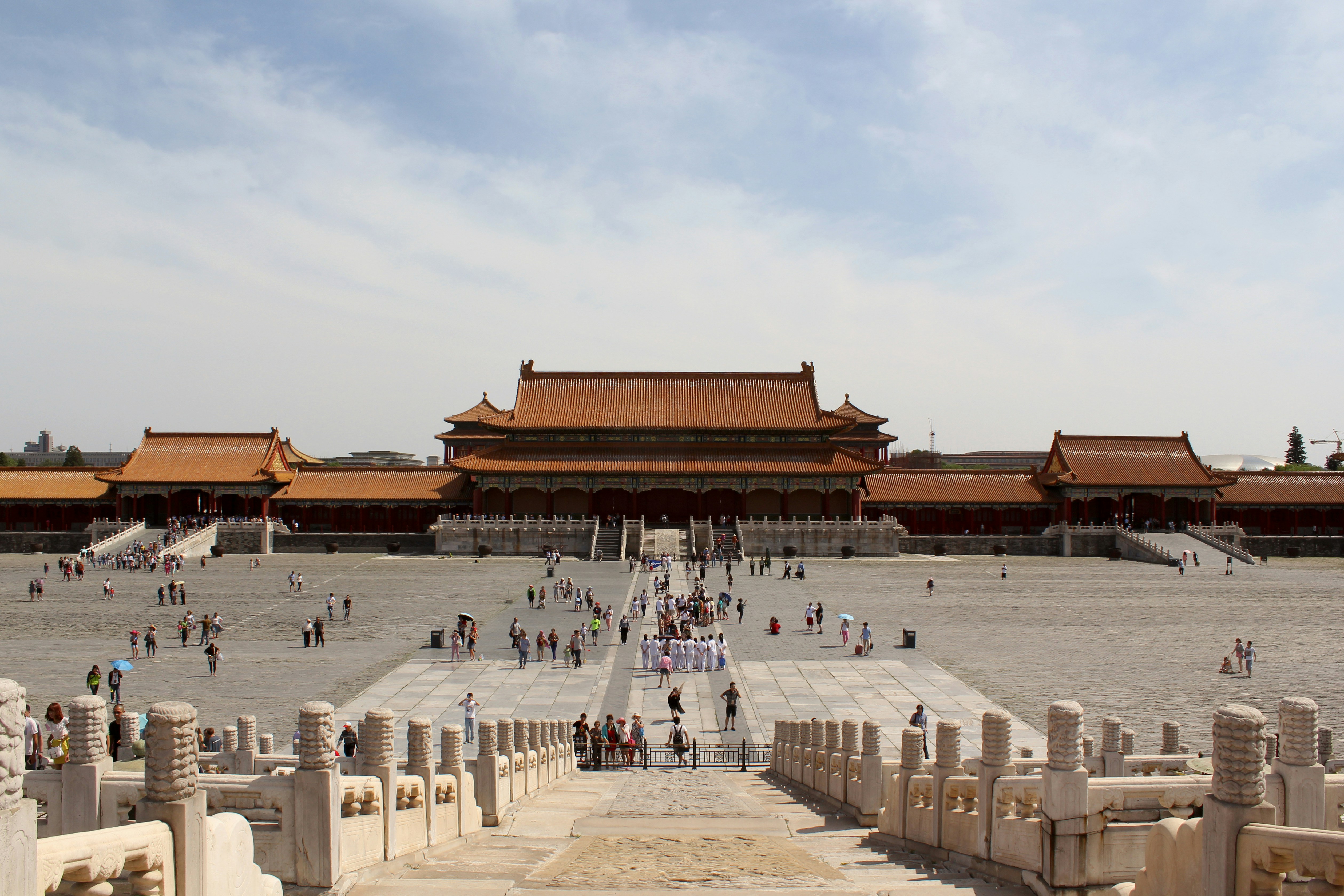
On the other hand, the Forbidden City stands as a symbol of imperial power and grandeur. Serving as the Chinese imperial palace from the Ming to the Qing dynasties, this UNESCO World Heritage Site encompasses over 900 buildings and spans approximately 180 acres. Its intricate architectural design combines traditional Chinese palatial architecture with expansive courtyards and a meticulously planned layout, reflecting the philosophy and cosmology of Confucianism. The Forbidden City’s cultural significance cannot be overstated, as it was not just the residence of emperors and their families, but also the ceremonial and political center of Chinese government for centuries. As visitors walk through its imposing gates, they are transported back in time, gaining a deeper appreciation for the dynastic history of China.
Both the Great Wall and the Forbidden City offer invaluable insights into China’s rich cultural heritage and are essential destinations for anyone visiting Beijing. These landmarks not only represent the architectural prowess of ancient China but also serve as enduring symbols of its historical narratives.
Modern Marvels: The Bird’s Nest and the Water Cube
Among the most iconic modern architectural structures in Beijing are the Bird’s Nest and the Water Cube, both of which were constructed for the 2008 Beijing Olympics. The National Stadium, commonly referred to as the Bird’s Nest due to its unique lattice design, was conceived by the renowned Swiss architect Herzog & de Meuron. This innovative design represents not only a remarkable feat of engineering but also symbolizes the merging of traditional and contemporary architectural styles. Its striking appearance has significantly contributed to the enhancement of Beijing’s skyline, making it an essential landmark in the city.
On the other hand, the National Aquatics Center, known as the Water Cube, was designed by the Australian company PTW Architects in collaboration with the Chinese architectural firm China State Construction. The Water Cube features a mesmerizing façade of translucent bubbles, which serves as both a visual spectacle and an energy-efficient structure. This cutting-edge design concept aims to reflect the fluidity of water, and it has successfully captured the essence of aquatic sports, drawing tourists from around the world.
Both the Bird’s Nest and the Water Cube have transcended their original purposes, continuing to serve as popular tourist attractions long after the closing of the Olympics. The Bird’s Nest now hosts various sporting events, concerts, and art exhibitions, allowing visitors to experience its grandeur up close. Meanwhile, the Water Cube has been transformed into a water park, featuring recreational activities that appeal to families and adventure seekers alike. These architectural marvels symbolize China’s rapid modernization and global presence, showcasing a commitment to innovation and excellence in design.
Cultural Experiences and Hidden Gems in Beijing
Beijing, a city steeped in history and tradition, offers more than just its iconic landmarks. Among its hidden treasures lie the hutongs, local markets, and traditional tea houses that provide a deeper insight into the everyday lives of Beijingers. Navigating these cultural experiences can enrich any traveler’s understanding of the vibrant culture that permeates this ancient city.
The hutongs, narrow alleyways that crisscross the city, are a testament to Beijing’s way of life. These historic neighborhoods are characterized by their traditional courtyard residences, known as siheyuan, and are often bustling with locals going about their daily routines. A stroll through the hutongs can uncover quaint cafes, artisan shops, and local eateries, offering travelers an authentic glimpse into the heart of Beijing’s community.
In addition to the hutongs, local markets are an essential aspect of Beijing’s cultural fabric. Markets like Wangfujing and Qianmen not only serve as shopping destinations but also as social hubs where one can interact with vendors and sample a variety of street food delicacies. Engaging with local sellers can lead to interesting conversations that reveal insights into Beijing’s culinary traditions and regional specialties, such as jianbing and baozi.
Finally, traditional tea houses offer an opportunity to learn about the rich history of tea culture in China. Participating in a traditional tea ceremony allows visitors to savor various types of tea while absorbing the tranquil atmosphere that these establishments promote. The act of tea drinking is deeply rooted in Chinese culture, emphasizing the importance of hospitality and conversation.
For travelers keen on embracing Beijing’s cultural heritage, consider exploring these hidden gems with an open mind and a flexible itinerary. Engaging with locals, participating in everyday activities, and appreciating the subtleties of their traditions can create memorable experiences that go beyond the typical tourist attractions.